
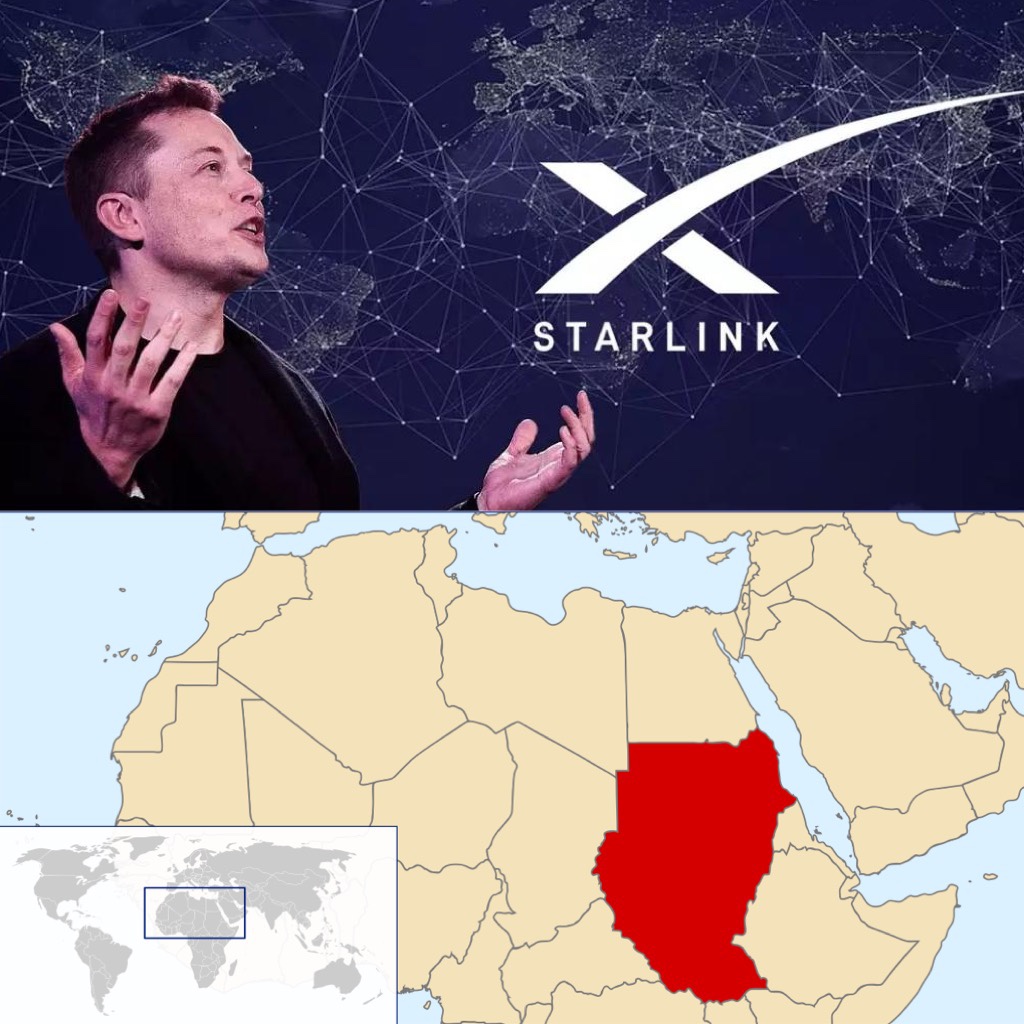
The launch of Starlink’s satellite internet service has the potential to revolutionize internet access in Sudan. Currently, Sudan has some of the lowest internet penetration rates in the world, with fewer than one in five people having access to online services. The government-controlled telecommunications infrastructure is inefficient and expensive, leaving many of the country’s 40 million citizens unable to access key services such as banking, education, and healthcare.
Starlink’s low-cost and high-speed internet service could provide a much-needed lifeline to the millions of people in Sudan who are unable to access or afford reliable internet. The company’s global satellite network could provide access to the internet for everyone in the country, regardless of their location. This could enable people to access essential services, as well as open up opportunities to engage with the wider world.
The introduction of Starlink internet could also have a positive impact on the country’s economy. Businesses in Sudan could benefit from faster and more reliable internet connections, enabling them to participate in global markets and create new opportunities for economic growth.
Overall, Starlink’s internet service has the potential to make a significant contribution to improving the lives of people in Sudan. By providing low-cost and high-speed internet access, the company could enable people to access essential services, empower businesses, and create opportunities for economic growth. It could be a game-changer for internet access in Sudan.
Exploring the Impact of Starlink on Sudan’s Education System
Sudan is making strides to bring its education system into the 21st century, but the country’s sparse infrastructure is proving to be an obstacle. Fortunately, the launch of SpaceX’s Starlink satellite internet is helping to bridge the gap and provide Sudanese students and teachers with much-needed access to the digital world.
Starlink is a satellite-based internet service that provides users with high-speed, low-latency internet access, even in rural and remote areas. The service is becoming increasingly popular in Sudan, where only 41% of the population currently has access to the internet.
The impact of Starlink on Sudan’s education system has been immediate. Students and teachers are now able to access educational materials, such as videos and articles, that were previously unavailable due to a lack of internet access. Moreover, students can use the internet to collaborate with each other and to connect with experts from around the world.
The benefits of Starlink extend beyond just educational materials. The service is also helping to empower Sudanese students by giving them access to online tools and resources that can help them gain the skills they need to pursue their dreams.
Starlink is also helping to improve the quality of education in Sudan by providing teachers with access to a variety of online training and development opportunities. In turn, this will help teachers to better understand their students’ needs and to provide more effective instruction.
Overall, Starlink is having a positive impact on Sudan’s education system. The service is providing students and teachers with access to the digital world, empowering them with the skills they need to succeed in the 21st century. It is our hope that Starlink will continue to help improve the quality of education in Sudan for many years to come.
Starlink’s Potential to Revolutionize Sudan’s Digital Economy
Sudan is on the brink of a digital revolution. With the launch of Elon Musk’s Starlink satellite constellation, the country is set to gain access to high-speed internet services that could revolutionize its digital economy.
Starlink is a revolutionary system of hundreds of satellites that are orbiting the earth. This constellation of satellites provides high-speed internet access to the entire world, regardless of their location. This revolutionary system is capable of providing uninterrupted, low-latency internet access to remote and rural areas, including Sudan.
The implementation of Starlink in Sudan could have a dramatic impact on the country’s economy. It could enable the country to enhance its access to digital markets and facilitate the growth of its digital services industry. Starlink could also provide an effective and affordable solution to the country’s current digital infrastructure challenges.
Starlink could also help improve the quality of education in Sudan by providing students with access to online learning platforms. This could open up the possibility of providing more equitable access to educational resources across the country.
In addition, Starlink could provide a more secure and reliable connection to the internet for businesses in the country. This could help to protect businesses from cyber-attacks and boost their productivity.
The implementation of Starlink in Sudan could also lead to the creation of new jobs and new opportunities for young entrepreneurs. It could also provide an effective solution for connecting rural areas to the global economy.
Overall, the potential for Starlink to revolutionize Sudan’s digital economy is undeniable. If the country is able to take advantage of this revolutionary system, it could bring about a digital revolution that could drastically improve the country’s economy and quality of life.
Examining the Benefits of Starlink’s Low Latency Connectivity for Sudan
Sudan has recently seen an improvement in its internet connectivity with the launch of SpaceX’s Starlink satellite constellation. Starlink is a low latency, high-speed internet service that provides internet access to remote locations around the world. The launch of the constellation in Sudan has been met with enthusiasm from citizens who have previously had limited access to the internet.
The added connectivity has the potential to transform everyday life in Sudan. Low latency connectivity is essential for modern online activities, such as streaming and gaming, which were previously impossible due to the country’s poor internet infrastructure. With Starlink, these activities are now accessible to the people of Sudan.
In addition to providing access to entertainment, Starlink’s low latency connectivity has a number of practical applications. For instance, it can be used to improve the delivery of healthcare services. Distance medicine, telemedicine, and remote consultation are now all possible in Sudan, allowing doctors to quickly diagnose and treat patients located in remote areas.
Starlink’s low latency connectivity is also beneficial for businesses and entrepreneurs in Sudan. With access to faster internet speeds, entrepreneurs can take advantage of digital tools to grow their businesses. They can also access global markets and reach a wider customer base.
In conclusion, the launch of Starlink in Sudan has provided citizens with improved internet connectivity. This has enabled them to access entertainment, healthcare services, and business opportunities that were previously unavailable. This improved connectivity is sure to have a positive impact on the country’s economy and the lives of its citizens.
Will Starlink Internet Help Overcome the Digital Divide in Sudan?
The Digital Divide in Sudan is an ongoing challenge, with millions of people having limited or no access to high-speed internet. However, the arrival of Starlink Internet may help bridge the divide and bring much-needed internet access to the country.
Starlink is a satellite-based broadband internet service created by SpaceX. It has the potential to provide high-speed internet access to remote areas with limited or no access to ground-based infrastructure. This could be a game-changer for Sudan, where many people lack access to reliable internet.
The technology has been proven to work in other countries, with Starlink recently launching in the United Kingdom, and early tests showing speeds of up to 150 Mbps. This is far faster than most ground-based internet services in Sudan, which typically have speeds of just 10 Mbps.
The service is already available in some parts of Sudan, with Starlink offering installation kits and internet packages for households and businesses. This could be a major boost for Sudanese businesses, as well as individuals, who have previously had limited access to the internet.
With Starlink’s low latency and high speeds, it could be a game-changer for people living in remote areas of Sudan. It could open up a world of opportunities, including access to education, healthcare, and business opportunities. This could help to reduce poverty and create a more equal society.
While Starlink has the potential to help bridge the Digital Divide in Sudan, it is only one part of the solution. Other initiatives, such as government investment in infrastructure and internet access, are also needed.
Only time will tell if Starlink is able to make a difference, but the early signs are encouraging. With its high speeds and low latency, it could be the key to unlocking greater access to the internet for millions of people in Sudan.