
By: Hussain Begira United Kingdom
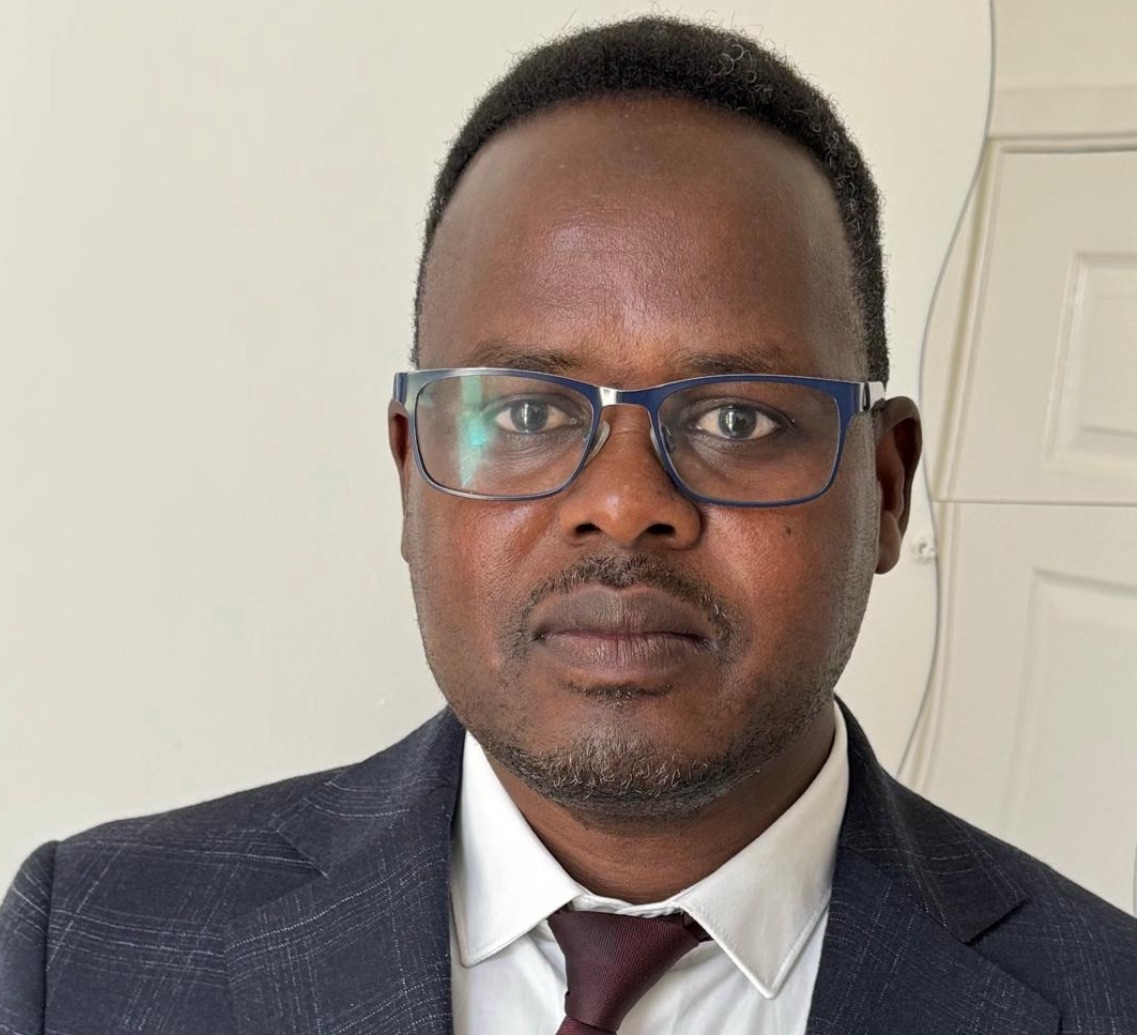
Dr. Abdalla Hamdok, the former Sudanese Prime Minister and current head of the so-called “Tagaddam” Civil Democratic Forces Coordination, is known for his unpredictable and enigmatic personality, reflected in both his demeanor and body language. This aura of mystery suggests he may be acting under the direction of an unidentified entity. The lingering question remains: who or what could this entity be, and how might it have influenced his decisions during his tenure as Sudan’s Prime Minister in 2019?
Before taking office, Hamdok held various positions within the United Nations, an institution where global policies are often shaped by influential countries. Such an environment often leads its staff to adopt certain approaches—either voluntarily or under high-level directives. This background raises concerns that Hamdok’s actions may have been driven by a personal agenda aligned with an “ends justify the means” mentality.
Hamdok’s extensive international connections also raise questions about the independence of his decisions and his true motivations. Entrusted with the critical task of leading Sudan towards stability, Hamdok’s policies, however, resulted in further instability, marking him in history as one of Sudan’s least successful leaders and a key figure in the country’s current turmoil.
Hamdok and the Forces of Freedom and Change (FFC) behind him are said to have relied heavily on the Rapid Support Forces (RSF) to maintain their grip on power through undisclosed agreements. This reliance could explain Hamdok’s shifting stance and willingness to serve as deputy to the militia leader, Hemedti, in the Economic Committee, despite Hemedti’s violent past with the Sudanese populace. Hamdok, despite his credentials as a PhD in Economics, agreed to this controversial role, raising significant questions at the time.
The situation escalated when Hamdok signed the “Framework Agreement” on behalf of the FFC, while Hemedti represented the RSF. This agreement faced widespread rejection from the Sudanese people, including respected figures who refused to endorse it, as well as from the army, which viewed it as a threat to Sudan’s national security. The ill-fated agreement is now seen as the precursor to the current tragic circumstances in Sudan, particularly after the RSF and its allies ignited a conflict on April 15, 2023. In response to mounting criticism, the FFC rebranded itself as “Tagaddam” in an attempt to distance itself from actions condemned by the Sudanese public.
On October 28, 2024, Hamdok and his Tagaddam entourage arrived in the UK, ostensibly to clarify their controversial actions to the Sudanese community. Rather than offering an apology, they appeared to seek international support to relieve pressure on the Janjaweed militia, announcing planned meetings with British officials, a speech at Chatham House on October 31, and interactions with Sudanese organizations. However, Hamdok’s arrival was met with widespread apathy, as only a handful of Tagaddam members greeted him, while a significant number of Sudanese and activists openly rejected his visit, seeing it as a blatant disregard for the people’s will.
Sudanese citizens in the UK have called for a major protest on Thursday, October 31, 2024, to coincide with Hamdok’s address at Chatham House. They aim to denounce his role in empowering the Janjaweed militia and to demand accountability. Activists cited statements made by Khalid Silak, a Tagaddam member, who in August 2024 warned that Sudanese citizens must either accept the Geneva negotiations or brace for more violence, death, and humiliation—a prediction that has sadly manifested in ongoing abuses, including rape and violence against women, children, and the elderly.
Hamdok and his associates have also planned meetings with questionable entities that claim to represent Sudanese organizations. Their slogan, “No to War,” seems a convenient truth masking a false agenda meant to further their interests and justify the heinous acts of the RSF against the Sudanese people. Hamdok’s and Tagaddam’s popularity has plummeted to an all-time low, and they are now perceived as criminals who must be held accountable for the war crimes and crimes against humanity committed by the RSF. The international community, including the British government, must acknowledge their true intentions and reject their false claims of representing Sudan and its people.
The ongoing protests and criticism reflect deep-seated discontent within the Sudanese diaspora, particularly as they view his recent actions as an endorsement of groups like the RSF, known for their violent history in Sudan. The protest scheduled in the UK during his Chatham House appearance indicates the depth of opposition to his stance and the broader Tagaddam agenda, which some perceive as an effort to redirect blame or appease international audiences rather than address the concerns of the Sudanese people.
Given these developments, it is crucial for the international community, particularly countries like the UK, to approach interactions with Sudanese representatives critically and prioritize Sudanese citizens’ calls for accountability. The Sudanese diaspora’s activism demonstrates a strong commitment to advocating for transparency, justice, and genuine representation in Sudan’s political processes.