

James Tayseer
Inflation is a major economic challenge facing many countries around the world. Sudan, like many other developing countries, has been grappling with high inflation rates for many years. However, since mid 2022 and to the first quarter of 2023, the country has made significant progress in reducing its inflation rate.
The Sudanese government represented by the ministry of finance and economic planning have implemented a number of measures aimed at reducing inflation, including improving fiscal discipline, implementing monetary policies, and promoting economic growth. These measures have been successful in bringing down the inflation rate from a high of 170 percent in 2022 to around 63 percent in February 2023 as announced recently by Sudan Central Bureau of Statistics.
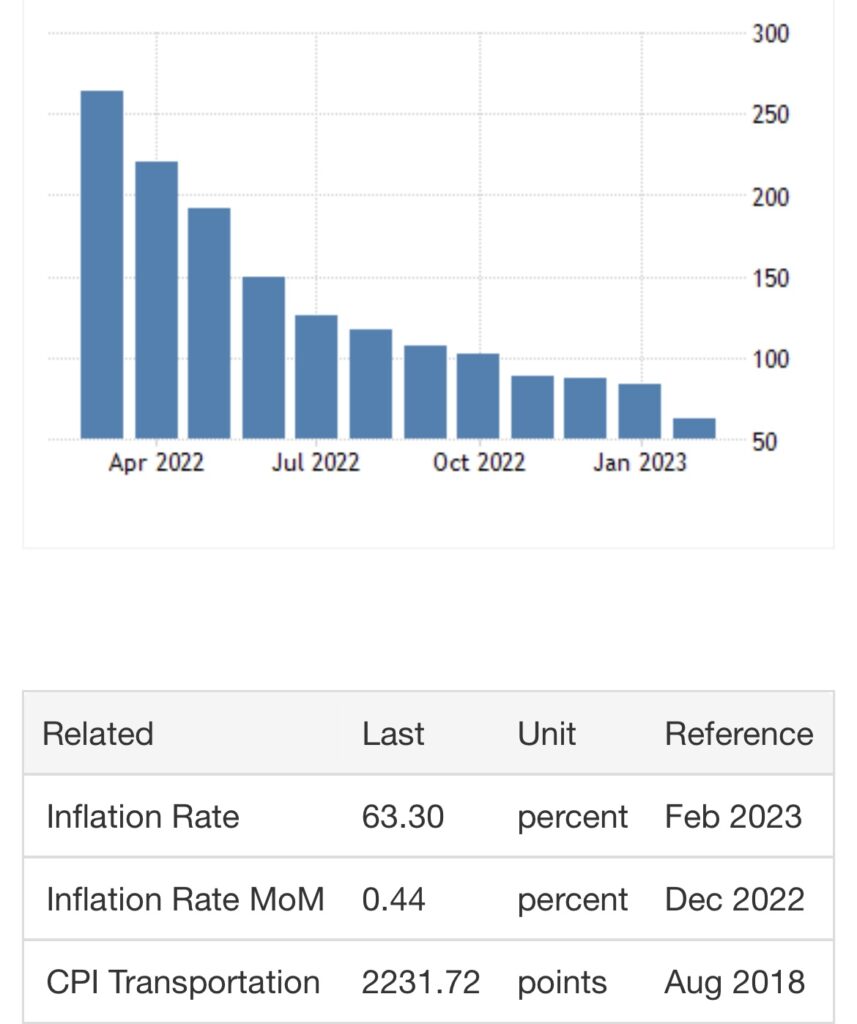
One of the key factors contributing to the reduction in inflation has been the government’s commitment to fiscal discipline. This has involved implementing policies aimed at reducing the budget deficit, controlling public spending, and increasing revenue collection. By reducing the budget deficit, the government has been able to reduce its reliance on borrowing and printing money, which has helped to reduce inflation.
In addition, Sudan has implemented a number of monetary policies aimed at controlling inflation. These include increasing interest rates, tightening monetary policy, and reducing the money supply. These policies have helped to control inflation by reducing the amount of money in circulation and making it more expensive to borrow.
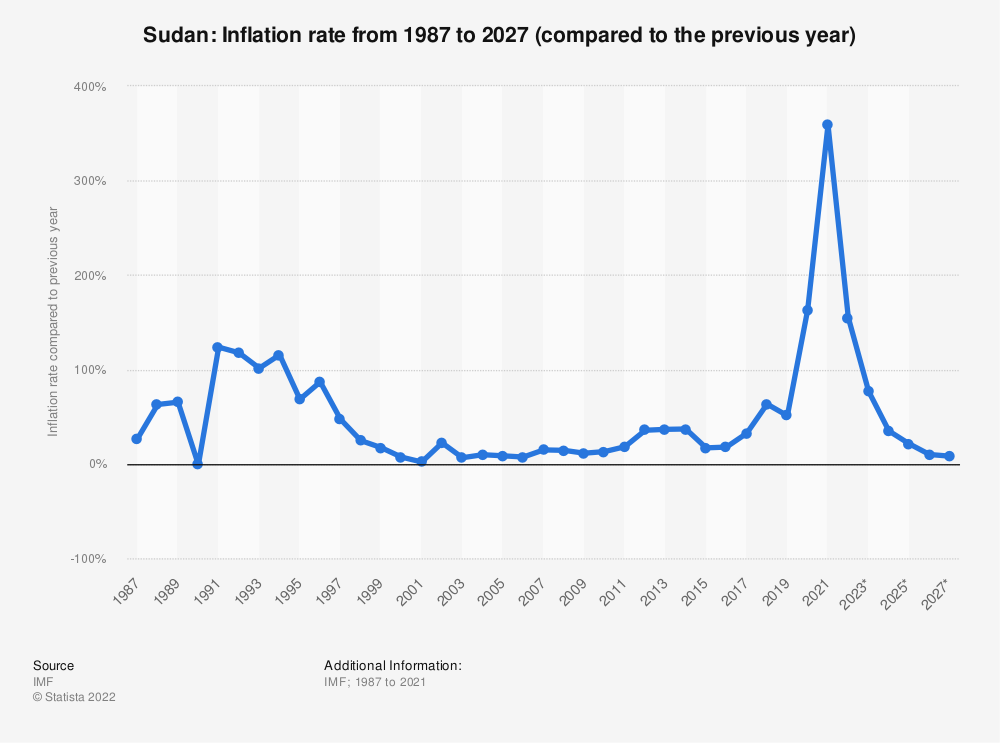
Another factor contributing to the reduction in inflation has been the promotion of economic growth. The government has implemented policies aimed at promoting investment and creating jobs, which has helped to stimulate economic growth. This, in turn, has helped to reduce inflation by increasing the supply of goods and services and reducing demand-pull inflation.
Overall, the reduction in inflation in Sudan is a positive development that is expected to have a number of benefits for the country. It will help to stabilize prices, reduce uncertainty, and promote economic growth. However, there is still a long way to go in terms of achieving low and stable inflation rates, and the government will need to continue to implement effective policies in order to maintain the gains that have been made, and more importantly ending the political deadlock will help to open the doors for more foreign financial pledges to be fulfilled.

Ministry of Finance and Economic Planning 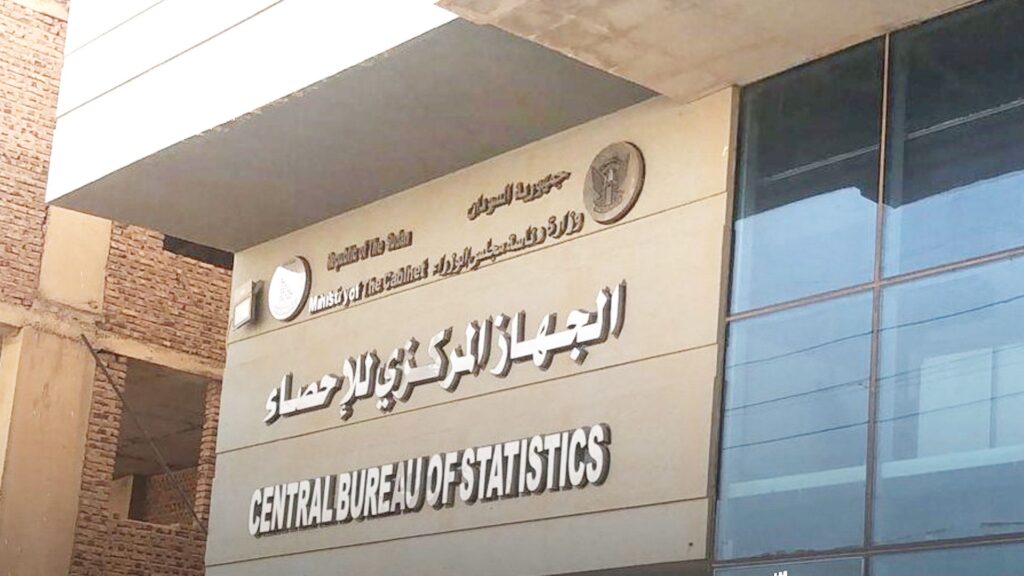
Central Bureau of Statistics